
The Nipah virus Cases in India 2026 has once again raised concerns across India 2026. This deadly virus, which spreads from animals to humans, has been making headlines due to new cases reported in different parts of the country. Let me help you understand what’s happening and how you can stay safe.
Understanding Nipah Virus
Nipah virus is a serious infection that was first discovered in Malaysia back in 1999. In India, we’ve seen several outbreaks since 2001, mainly in states like Kerala and West Bengal. The virus typically spreads through fruit bats, which are its natural hosts.
WHO Nipah Virus Information: https://www.who.int/health-topics/nipah-virus-disease
ICMR Official Guidelines: https://www.icmr.gov.in/- Kerala Health Department Updates
Current Situation of Nipah Virus Cases in India 2026
Recent reports suggest that India is facing fresh Nipah virus cases in 2026, particularly in Kerala. The state has been on high alert after confirming infections in certain districts. Health officials are working round the clock to contain the spread and prevent a larger outbreak.
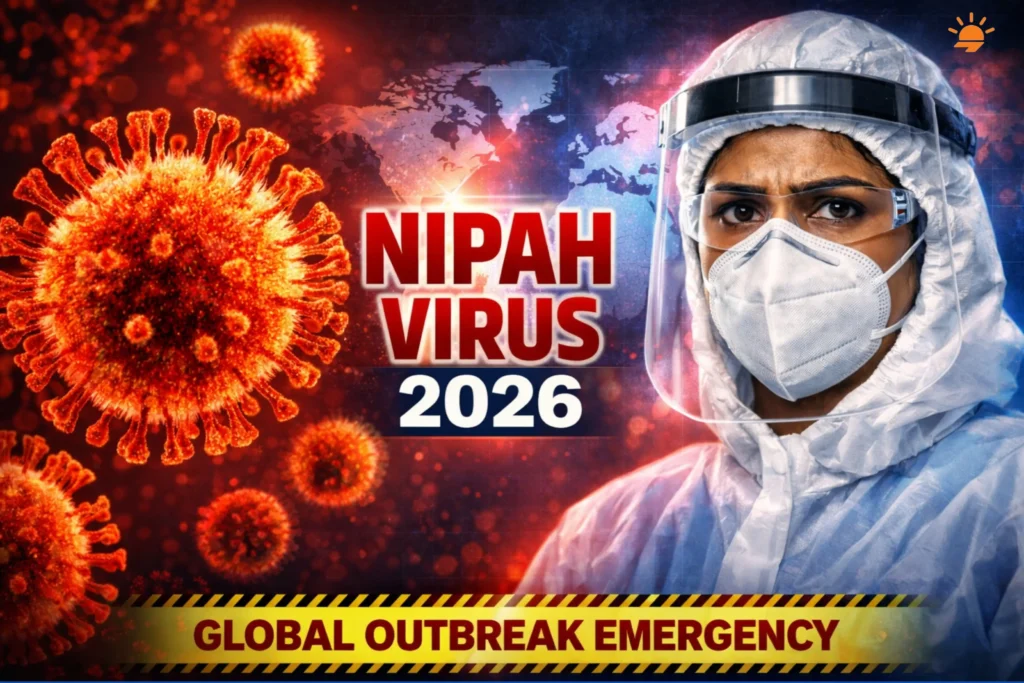
The government has activated rapid response teams and set up isolation wards in hospitals. Contact tracing is being conducted extensively to identify anyone who might have come in contact with infected patients.
How Does Nipah Virus Spread?
Understanding transmission is crucial. The Nipah virus spreads through: Direct contact with infected bats or their droppings- Consuming contaminated date palm sap or fruits- Close contact with infected pigs or other animals- Human-to-human transmission through respiratory droplets or body fluids
This is why health workers and family members of infected patients are at higher risk.
Symptoms You Should maintenan for
Early detection can save lives. Common symptoms include:
- High fever and headache
- Muscle pain and vomiting
- Sore throat and dizziness
- Breathing problems
- Confusion and drowsiness In severe cases, the virus can cause encephalitis (brain swelling) and lead to coma within 24 to 48 hours.
Prevention Measures
Since there’s no specific vaccine for Nipah virus yet, prevention is your best defense. Here’s what you can do:
- Avoid consuming raw date palm sap – This is one of the primary sources of infection.
- Stay away from sick animals – Don’t touch bats, pigs, or any animal showing signs of illness.
- Maintain hygiene – Wash your hands frequently with soap and water.
- Wear protective gear – If you’re a healthcare worker, always use proper PPE when dealing with suspected cases.
- Avoid crowded places** in affected areas and maintain social distancing.
Government Response and Treatment
The Indian government has been proactive in handling Nipah virus cases in India 2026. Surveillance has been strengthened, and public awareness campaigns are running across affected states.
Nipah virus cases in India 2026 treatment focuses on supportive care, including
- Managing fever and neurological symptoms
- Providing respiratory support when needed
- Maintaining hydration and nutrition
- Isolating patients to prevent spread
Researchers worldwide are working on developing vaccines and specific antiviral treatments.
What Should You Do?
If you live in or near affected areas, stay informed through official health department updates. Don’t panic, but be cautious. If you experience any symptoms, seek medical attention immediately and inform doctors about possible exposure.Avoid spreading rumors or unverified information on social media. Stick to trusted sources like WHO, ICMR, or your state health department for accurate updates.
Related post Tomato Fever in Children how to save child
Conclusion
Nipah virus cases in India 2026 remind us that emerging infectious diseases remain a real threat. While the situation is concerning, our healthcare system is better prepared than ever before. By staying informed, following preventive measures, and supporting health workers, we can effectively combat this challenge. Remember, awareness and timely action are our strongest weapons against Nipah virus.
What is Nipah virus and how dangerous is it?
Nipah virus is a zoonotic infection transmitted from animals to humans, primarily through fruit bats. It’s extremely dangerous with a fatality rate ranging from 40% to 75%, depending on the outbreak. The virus can cause severe respiratory illness and brain inflammation, making early detection and treatment critical for survival.
Which states in India are most affected by Nipah virus in 2026?
Kerala continues to be the most affected state for Nipah virus cases in India 2026, particularly districts like Kozhikode and Malappuram. West Bengal has also reported cases in the past. Health authorities in these states have heightened surveillance and implemented strict containment measures to prevent further spread.
Is there a vaccine available for Nipah virus?
Currently, there is no approved vaccine for Nipah virus for general public use. However, several research institutions worldwide, including in India, are working on developing vaccines. Treatment primarily involves intensive supportive care to manage symptoms and complications until the patient’s immune system fights off the infection.
How can I protect myself from Nipah virus infection?
You can protect yourself by avoiding consumption of raw date palm sap, staying away from sick animals, maintaining good hand hygiene, not eating partially eaten fruits that may have been contaminated by bats, and avoiding close contact with infected individuals. In affected areas, follow all health department guidelines.
What should I do if I suspect Nipah virus symptoms?
If you experience symptoms like high fever, headache, vomiting, or breathing difficulties, especially if you’re in an affected area, immediately isolate yourself and contact health authorities. Inform your doctor about possible exposure to bats, sick animals, or infected persons. Early medical intervention significantly improves survival chances.